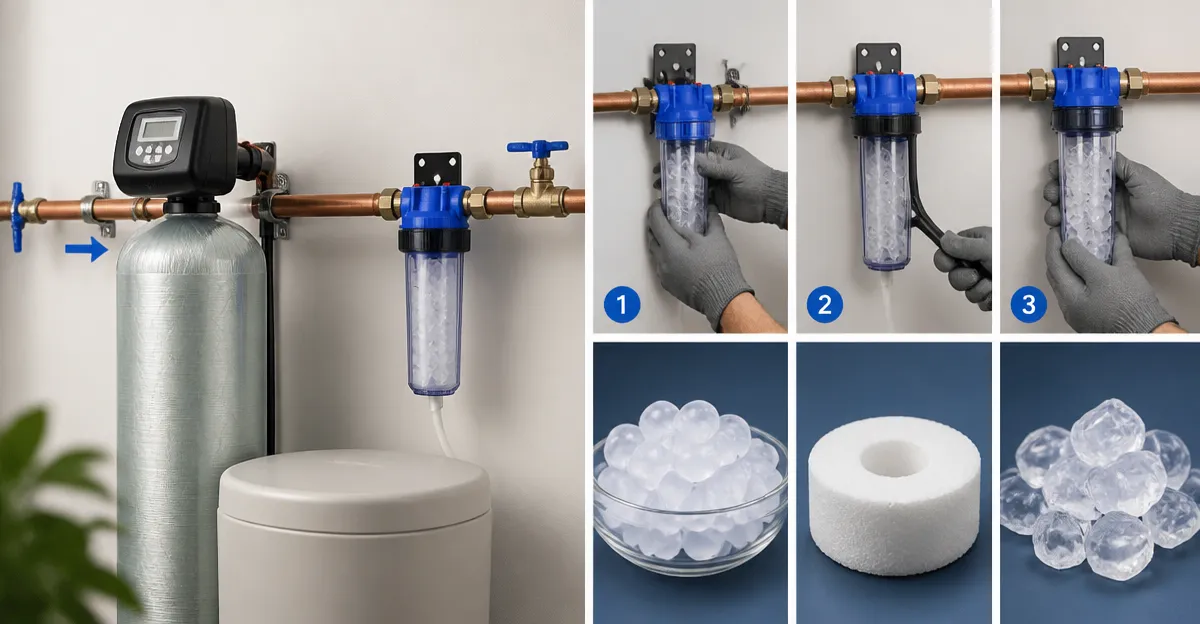
How to Install a Polyphosphate Feeder on Your Water Softener — Step‑by‑Step DIY Guide and SPER vs MaxWater Siliphos vs Phosguard Comparison
Introduction
One will discover how to integrate a polyphosphate feeder into an existing water‑softening system, thereby reducing scale, protecting metal components, and extending resin lifespan. The process combines routine maintenance with targeted chemical treatment, resulting in clearer water and lower energy consumption for appliances. Understanding the role of polyphosphate beads and resin cleaners enables homeowners to make informed decisions about long‑term water‑quality management. This guide provides actionable instructions, product recommendations, and a brief comparison of three popular anti‑scale technologies.
What You Will Need
- Polyphosphate feeder kit (e.g., Res Care Easy Feeder Kit)
- Polyphosphate crystals or beads (e.g., AQUAWATER Polyphosphate Refill or Oceanic Slow PHOS Beads)
- Resin cleaning solution (optional, e.g., Morton Water Softener Cleanser)
- Automatic resin feeder (optional, e.g., Clack Res‑Up Resin Cleaner Feeder)
- Basic hand tools: screwdriver, drill, and level
- Protective gloves and safety glasses
Step‑by‑Step Instructions
1. Assess Compatibility and Prepare the Softener
Before any installation, one should verify that the water softener model accepts an external feeder. Most residential units from brands such as Morton, Whirlpool, and Culligan provide a brine‑tank inlet that can accommodate a drip line. Shut off the power and water supply, then relieve pressure by opening a faucet downstream. Remove the lid of the brine tank and inspect the interior for excessive salt bridges or debris. If the resin appears coated with iron or rust, plan to use a resin cleaner later in the process.
The Morton Water Softener Cleanser is designed to dissolve iron, sediment, and rust that salt alone cannot remove. At a price of $21.47 and a rating of 4.7/5 from over 1,800 reviewers, it offers a reliable option for pre‑cleaning. Applying the cleanser once every four months helps maintain optimal performance and may support extended warranty coverage for Morton units.
2. Install the Easy Feeder Bracket
Locate the side of the brine tank where the feeder will be mounted. The Res Care Easy Feeder Kit includes a sturdy bracket that can be screwed into the tank wall. Using a drill with a 1/4‑inch drill bit, create two pilot holes as indicated in the kit instructions. Secure the bracket with the supplied screws, ensuring it sits level so the drip line will not sag.
This kit dispenses one ounce of resin‑cleaning solution daily, providing continuous maintenance without manual intervention. Priced at $40.28 and holding a 4.3/5 rating from 521 reviewers, it combines convenience with proven effectiveness. The continuous drip helps prevent mineral buildup that could otherwise impair the resin’s ion‑exchange capacity.
3. Attach the Wick Tube and Feed Line
Insert the wick tube through the bracket’s opening and run it down into the brine tank. The tube should reach just above the salt level but not touch the salt directly, allowing the solution to mix with the regeneration water. Secure the tube with the provided clamp to avoid movement during regeneration cycles.
If one prefers a more compact feeder, the Clack Res‑Up Resin Cleaner Feeder offers a 0.4‑ounce version that uses a wick to transfer liquid resin cleaner into the brine tank. At $22.99 and a 4.5/5 rating, it is praised for easy installation and suitability for medium to high iron water. The feeder eliminates the need to purchase expensive red‑out salt cubes.
4. Prepare the Polyphosphate Solution
Polyphosphate crystals dissolve slowly, releasing phosphate ions that bind calcium and magnesium, thereby preventing scale formation on pipes and appliances. The AQUAWATER refill provides 1 kg of food‑grade polyphosphate crystals for $38.28 and carries a 4.4/5 rating from 740 reviewers. It is compatible with all polyphosphate cartridge containers, making it a versatile choice for most softeners.
Alternatively, the Oceanic Slow PHOS Beads offer a slow‑dissolving form that can be added directly to the brine tank. Weighing five pounds and priced at $103.99, these beads release phosphate over 90‑180 days, providing long‑term protection against scale and corrosion. Their variable bead size (1/16‑1/4 inch) allows adjustment of dissolution rate based on water hardness.
5. Load the Polyphosphate into the Feeder Reservoir
Open the feeder’s reservoir cap and pour the measured amount of polyphosphate crystals or beads. For the AQUAWATER refill, a typical dosage is 5 grams per gallon of water treated, but one should follow the manufacturer’s guidelines for the specific softener capacity. Seal the cap tightly to prevent moisture ingress.
The feeder’s design ensures a steady drip into the brine tank, where the polyphosphate mixes with the regeneration solution. This continuous exposure maintains a protective film on metal surfaces, reducing corrosion and extending the life of water‑heating elements.
6. Program the Softener for Regeneration
Set the softener’s regeneration timer to occur during off‑peak hours, typically late at night. This timing allows the polyphosphate‑enriched brine to circulate through the resin bed while the household water demand is low. Verify that the regeneration cycle includes a back‑flush, brine draw, and rinse phase, as these steps ensure the polyphosphate reaches all resin beads.
During the first regeneration after installation, one should monitor the brine tank for any excess foam or unusual odor, which may indicate an over‑concentration of chemicals. Adjust the feeder’s drip rate if necessary, using the adjustable flow valve supplied with the kit.
7. Perform a Post‑Installation Resin Cleanse
After the initial regeneration, add a dose of Morton Water Softener Cleanser to the brine tank to remove any residual iron or sediment loosened by the polyphosphate. Follow the product’s dosage instructions, typically one bottle per 2,000 gallons of water processed.
Allow the softener to complete a full regeneration cycle with the cleanser present. The combined action of polyphosphate and cleanser will restore resin capacity, improve water clarity, and eliminate metallic tastes.
8. Verify System Performance
Once the cleaning cycle finishes, test the water hardness using a calibrated test kit. A reduction of at least 90 % in hardness indicates successful resin restoration. Additionally, inspect faucets and appliances for reduced scale deposits after one week of normal use.
If hardness remains high, consider increasing the polyphosphate dosage or adding a second feeder to increase the daily drip volume. Continuous monitoring will help fine‑tune the system for optimal performance.
Tips & Pro Tips
- Always wear protective gloves and glasses when handling chemical cleaners to avoid skin irritation.
- Do not exceed the maximum operating temperature of 35 °C for polyphosphate crystals; high temperatures accelerate dissolution and may reduce effectiveness.
- Schedule the polyphosphate feeder replacement every 90‑180 days, depending on the bead dissolution rate, to maintain consistent protection.
- Combine a monthly resin cleanse with the quarterly use of the Morton cleanser for best results.
- Document each maintenance event in a logbook; this record assists in warranty claims and future troubleshooting.
Troubleshooting
| Problem | Possible Cause | Solution |
|---|---|---|
| Feeder drip is slow or stopped | Clogged wick or air bubble | Remove the wick, flush with warm water, and reseat securely. |
| Water remains hard after regeneration | Insufficient polyphosphate dosage or resin fouling | Increase polyphosphate amount and run an additional resin cleanse. |
| Excessive foam in brine tank | Over‑concentration of cleanser | Reduce cleanser volume and ensure proper mixing during regeneration. |
Comparison of SPER, MaxWater Siliphos, and Phosguard
While the guide focuses on polyphosphate beads available from AQUAWATER and Oceanic, three other commercial anti‑scale technologies are frequently referenced in the industry: SPER, MaxWater Siliphos, and Phosguard. All three employ phosphate‑based chemistry to sequester hardness minerals, yet they differ in formulation, dissolution rate, and typical applications.
- SPER – A proprietary blend of sodium hexametaphosphate and organic inhibitors. It dissolves rapidly, making it suitable for high‑flow systems such as industrial cooling towers. The fast dissolution can lead to more frequent replenishment.
- MaxWater Siliphos – Utilises silica‑enhanced polyphosphate particles that provide a protective coating on pipe interiors. The silica component improves corrosion resistance but may increase cost.
- Phosguard – Features a granular polyphosphate matrix designed for slow release over 120 days. It is often marketed for residential water heaters and reverse‑osmosis pre‑filters.
When selecting a product, one should consider the hardness level, water temperature, and desired maintenance interval. For typical residential softeners, the slow‑release beads from Oceanic or the standard AQUAWATER crystals offer a balanced approach between efficacy and cost.
Conclusion
One has now learned how to install a polyphosphate feeder, integrate resin cleaning solutions, and maintain a water‑softening system for long‑term reliability. By following the step‑by‑step instructions, using recommended products, and adhering to best‑practice tips, homeowners can reduce scale, protect appliances, and enjoy clearer water year after year. Continuous monitoring and periodic maintenance will ensure that the system operates at peak efficiency and that the investment in softener hardware is fully protected.
Frequently Asked Questions
How do I install a polyphosphate feeder on my existing water softener?
Turn off the water, locate the bypass valve, attach the feeder kit to the inlet line, add the polyphosphate beads, and then restore flow according to the kit’s instructions.
What are the main benefits of using a polyphosphate feeder with a water softener?
It reduces scale buildup, protects metal parts, extends resin life, and can lower energy use by keeping appliances cleaner.
Can I use any polyphosphate product with my softener, or are specific brands required?
Most standard polyphosphate beads or crystals work, but using a feeder‑compatible brand like Res Care or AQUAWATER ensures proper flow and dosing.
How does SPER compare to MaxWater Siliphos and Phosguard for anti‑scale protection?
SPER offers a balanced blend of phosphates for general scale control, MaxWater Siliphos targets iron and manganese, while Phosguard focuses on high‑temperature scale prevention; choose based on your water issues.
How often should I replace the polyphosphate beads or refill the feeder?
Replace or refill the beads every 6‑12 months, or sooner if water usage is high or you notice reduced scale protection.